
Understanding the psychology of gambling What drives the thrill
The Allure of Risk
At the heart of gambling lies the thrill of risk. Many individuals are drawn to the uncertainty of outcomes, where every bet holds the possibility of a significant reward. This unpredictability can elevate the experience, igniting feelings of excitement and anticipation. The brain’s reward system plays a crucial role here, releasing dopamine, a neurotransmitter associated with pleasure, whenever a player wins or even experiences the hope of winning. The excitement offered by a live game, such as Ice Fishing Live secure casino, adds an extra layer to the thrill of gambling.
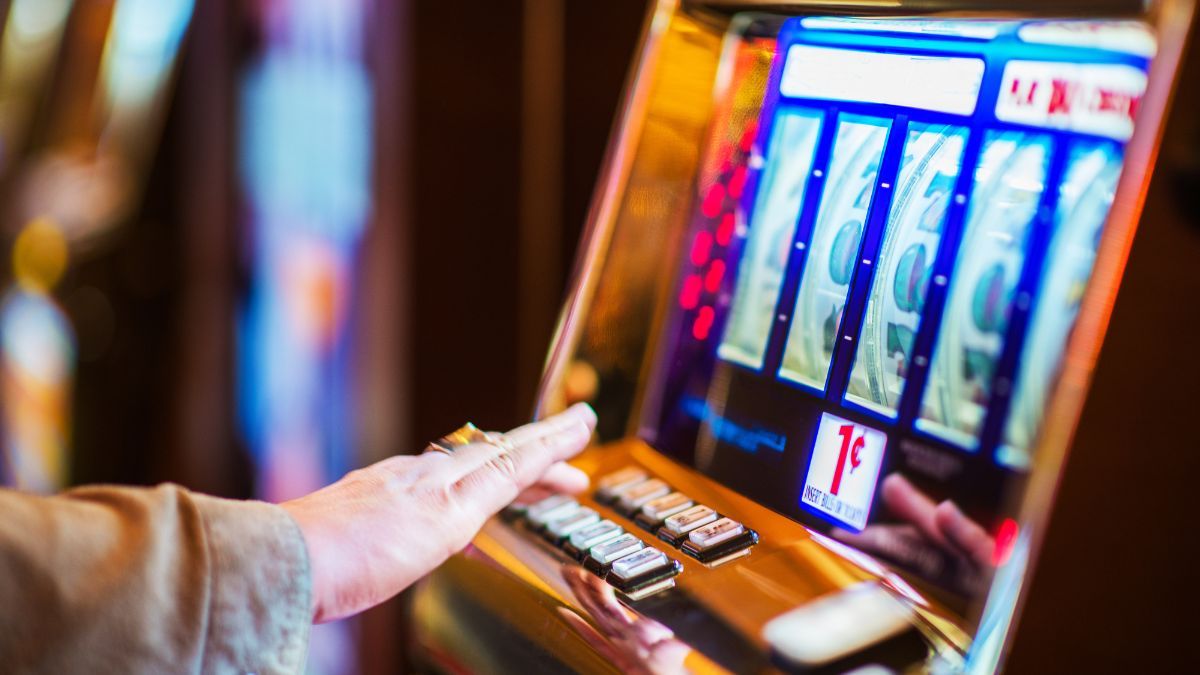
This sensation can create a cycle of behavior, where the more a person gambles, the more they crave that rush of adrenaline. It’s not just about the financial stakes; the psychological engagement in gambling can lead to an addictive loop. The allure of risk is often what keeps players returning to the gaming table, whether in a casino or online.
The Role of Social Interaction
Another compelling aspect of gambling is the social element. Many games provide a platform for interaction, fostering camaraderie among players. Whether playing poker with friends or participating in a live casino game, the social dynamics can enhance the thrill of the experience. This aspect appeals to human nature, as we often seek connections and shared experiences.
Moreover, the presence of live hosts in casino environments can significantly amplify excitement. This interaction can make players feel more engaged and involved, transforming a solitary activity into a communal event. The social aspect of gambling not only adds to the thrill but can also influence betting behaviors and decisions.
The Psychological Effects of Winning and Losing
The impact of winning in gambling can be euphoric, leading to a heightened sense of happiness and satisfaction. Conversely, losing can evoke feelings of frustration or disappointment. The psychology behind these responses can further explain why individuals continue to gamble, often in hopes of recapturing the highs of a previous win. This phenomenon is frequently referred to as the “gambler’s fallacy,” where players believe that past outcomes can influence future results.
Furthermore, the emotional rollercoaster of gambling serves to deepen the experience. Players may find themselves chasing losses, convinced that a win is just around the corner. This dynamic illustrates the complex interplay between emotion and decision-making in gambling psychology, which can lead individuals to take risks they might otherwise avoid.
The Influence of Environment and Design
The environment in which gambling occurs plays a significant role in the overall experience. Casinos and online platforms are designed to be visually stimulating, often employing bright lights, engaging sounds, and interactive elements that draw players in. This carefully curated atmosphere can enhance feelings of excitement and urgency, making it difficult for players to resist the urge to gamble.
Additionally, the use of promotional offers and bonuses can create a sense of urgency, driving players to take advantage of perceived opportunities. The psychological principle of scarcity, where individuals feel compelled to act due to limited availability, is often utilized in gambling environments to maintain engagement and encourage participation.

Explore More About Gambling Psychology
If you’re intrigued by the dynamics of gambling psychology and want to learn more, various resources are available to deepen your understanding. Engaging with expert articles, books, and online communities can provide valuable insights into the motivations behind gambling behavior. Whether you are a novice or seasoned player, understanding these psychological components can enrich your gaming experience and help you make more informed decisions.
Diving deeper into the motivations behind gambling can also foster a healthier relationship with the activity itself. Awareness of the psychological triggers can empower you to enjoy gambling responsibly, ensuring that it remains a source of entertainment rather than a source of stress or financial concern.
Deixe um comentário